Full Description
Pomeraniae Ducatus Tabula is a beautiful handcoloured map of Pomerania, drawn by Eilhard Lubinus and published by Willem Blaeu in 1635. The engraving covers the region between Eastern Germany and Poland, rich in historical and geographic detail. Its clear lines, elegant lettering, and ornate cartouche reflect the high quality of Blaeu’s 17th-century craftsmanship.
This antique map of Pomerania measures 38 x 49.5 cm and is in very good condition. The hand-applied colours remain vivid, adding depth and warmth to the map’s intricate design. Collectors value this antique map of Pomerania for its artistry, precision, and significance within the Dutch Golden Age of cartography. VAT: Margingoods, no VAT.
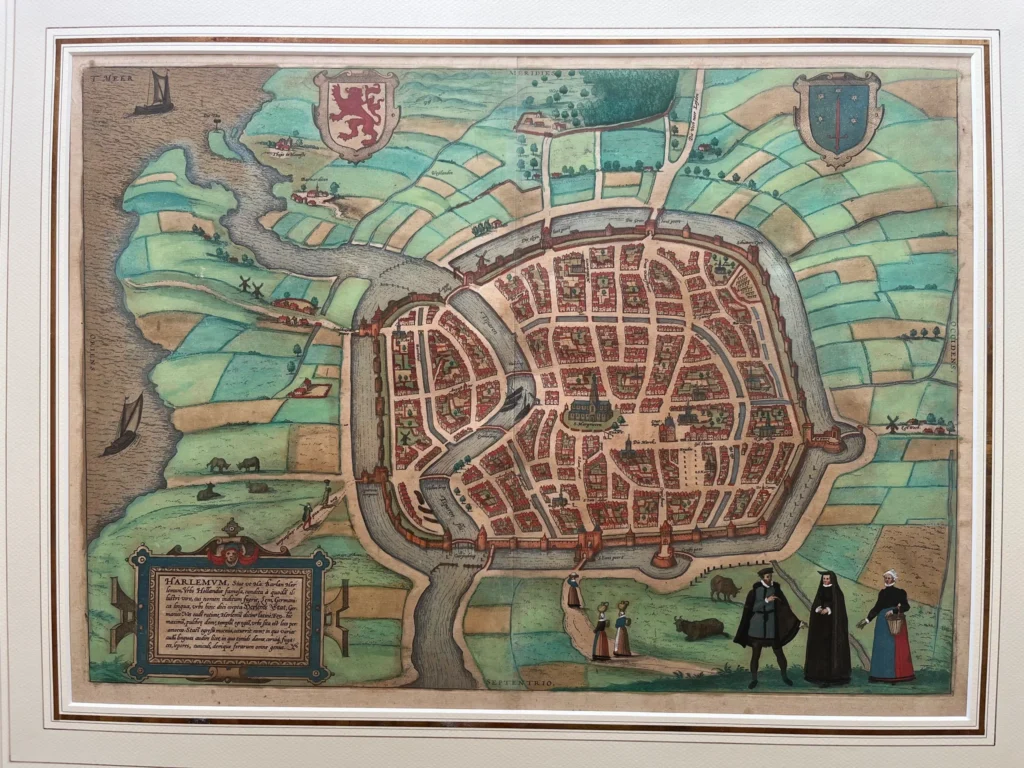
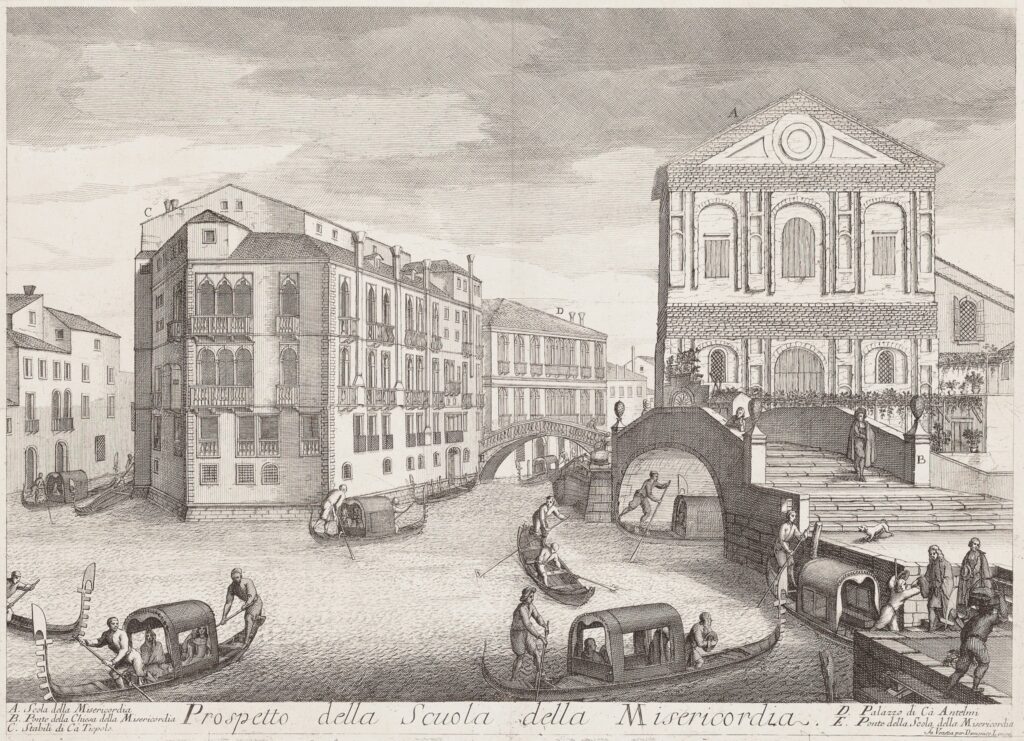
Explore all our city views and antique map collection at our store located in the historic heart of Haarlem.
About the Artist: Joan Blaeu
Joan Blaeu (1596–1673) was a leading Dutch cartographer and publisher, born in Alkmaar and the son of Willem Blaeu, a famed mapmaker. He succeeded his father as the official cartographer of the Dutch East India Company in 1638. Blaeu was renowned for his elaborate atlases and maps, including the monumental “Atlas Maior,” published in 1662, which featured 11 volumes with nearly 600 beautifully engraved maps. His maps were known for their scientific accuracy, artistry, and detailed decorative elements such as cartouches and vignettes.
Blaeu’s work incorporated recent geographical discoveries and cosmological knowledge, such as the heliocentric model. He was a prominent figure in Amsterdam’s cartographic and civic communities, serving on the city council. Blaeu’s atlases became status symbols for their size, beauty, and cartographic innovation, leaving a lasting legacy in the history of cartography.
About the Era: 17th Century (1600s)
The 17th century greatly advanced mapmaking and printmaking, with copperplate engraving enabling cartographers to create detailed and accurate maps. During the Dutch Golden Age, increased trade and exploration boosted the demand for maps, turning map printing into a major industry. Skilled engravers carved designs into copper plates, applied ink, and pressed paper to produce fine prints. After printing, artisans hand-colored maps to enhance their beauty and clarity. Copperplate printing replaced woodcuts, offering smoother lines and finer details. Renowned mapmakers like Blaeu, Janssonius, and Hondius combined scientific knowledge with artistic skill. This era produced remarkable atlases, such as Joan Blaeu’s Atlas Maior. Maps not only charted geography but reflected political power, trade routes, and scientific discoveries. Printed maps became essential for navigation, colonization, and education. Dutch publishers led Europe’s map market, shaping global cartographic standards. These original maps remain prized for their detail and artistry, influencing future mapmaking and holding high value for collectors and museums today.