Full Description
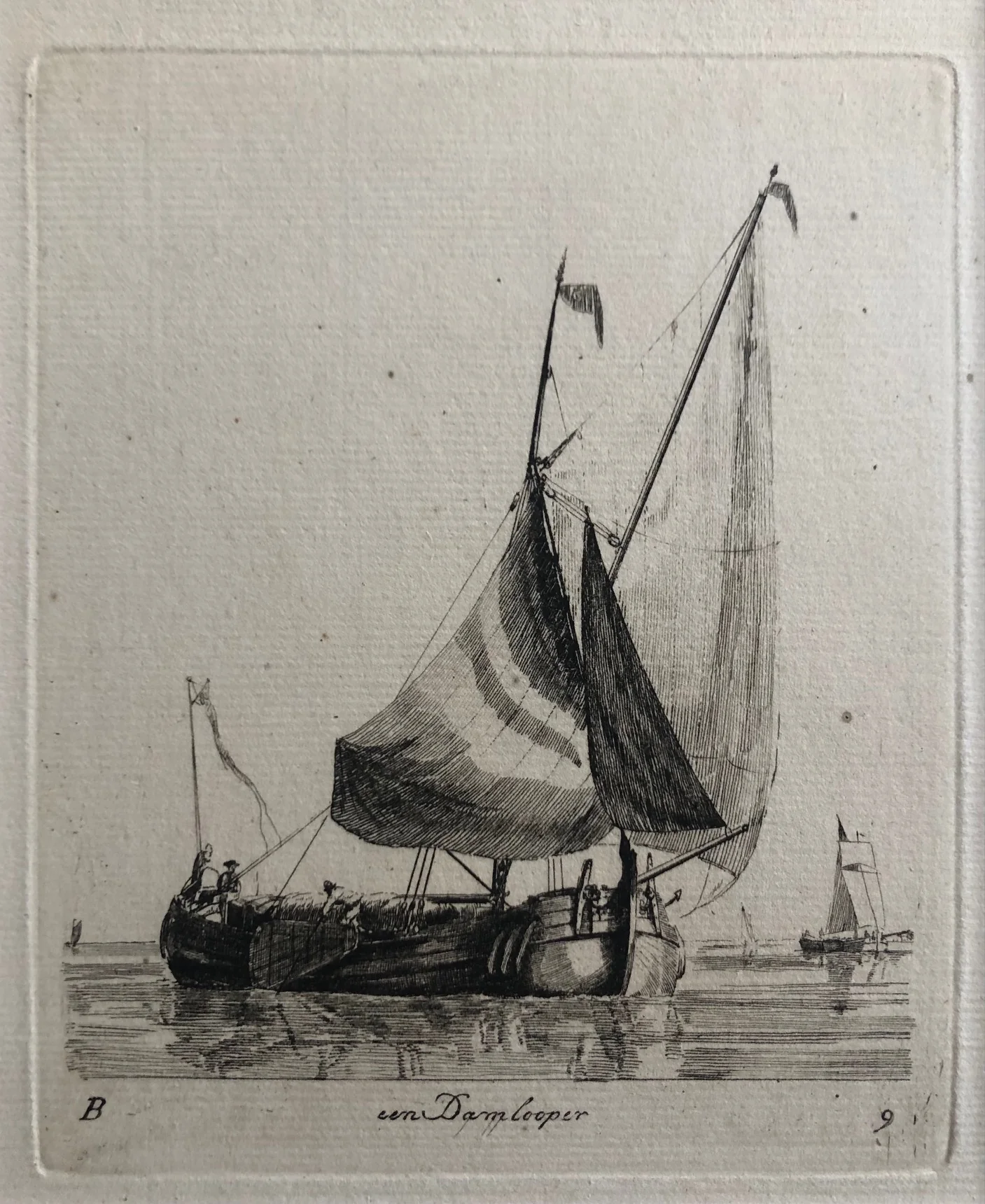
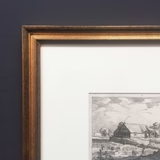
This Dutch Ship Etching by Gerrit Groenewegen titled ‘Een Damlooper’ is Plate 9 from the second series (B) of ‘Verscheyde Soorten van Hollandse Vaartuigen’. Made by Groenewegen (1754–1826), this work shows a traditional Dutch vessel known as a Damlooper, depicted with accuracy and elegance. The scene reflects the artist’s deep knowledge of maritime life and his mastery of etching detail.
Measuring 15.1 x 12.8 cm, the print is in very good condition, with clean paper and a strong impression. Every line is crisp, bringing the ship’s form and rigging to life. Groenewegen’s work is admired for its authenticity and technical skill, making each piece a fine document of Dutch nautical heritage.
This Dutch Ship Etching Groenewegen is ideal for collectors of maritime or nautical prints. It combines craftsmanship, historical value, and visual appeal in a classic 18th‑century maritime style.
About the Artist: Gerrit Groenewegen
Gerrit Groenewegen (1754–1826) was a Dutch artist known primarily for his engravings and detailed maritime scenes. He specialized in coastal views, ships, and harbor activities, often depicting sailing vessels in storms or calm seas. Active in Rotterdam, Groenewegen’s work captures the Dutch maritime tradition and naval life of his time. His artworks are valued for their precise technique and historical representation of 18th-century Dutch shipping and port life, contributing to the genre of marine art within Dutch printmaking. Collectors and historians appreciate his detailed depictions of ships and harbors for their accuracy and artistic quality.
About the Era: 19th Century (1800s)
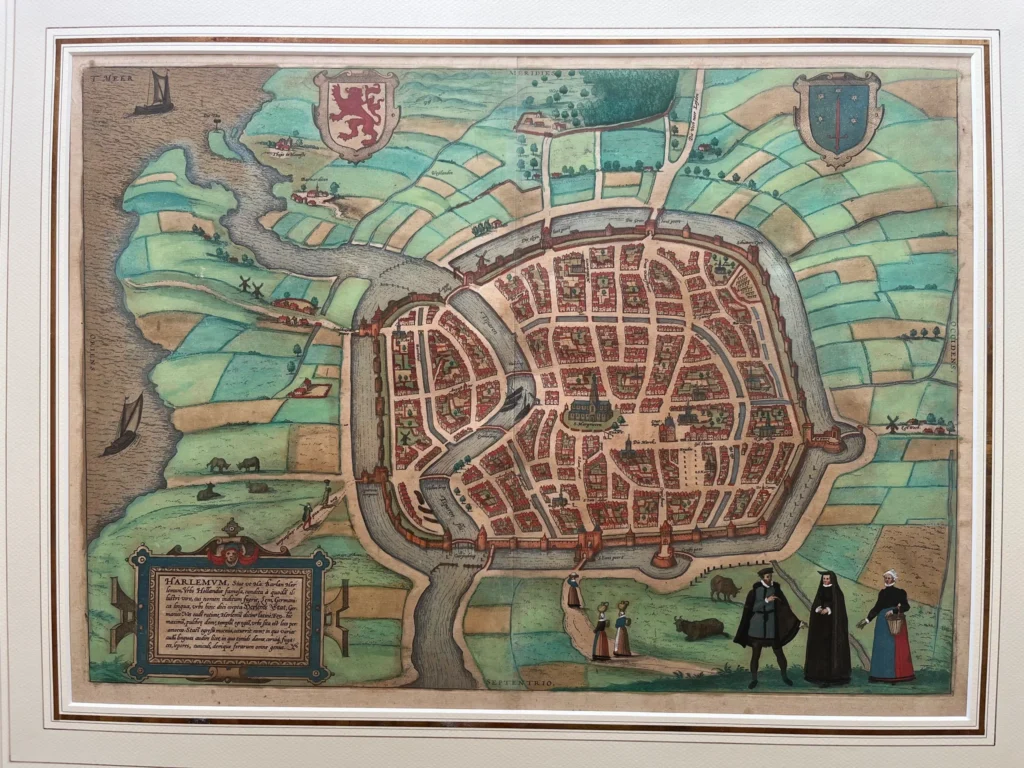
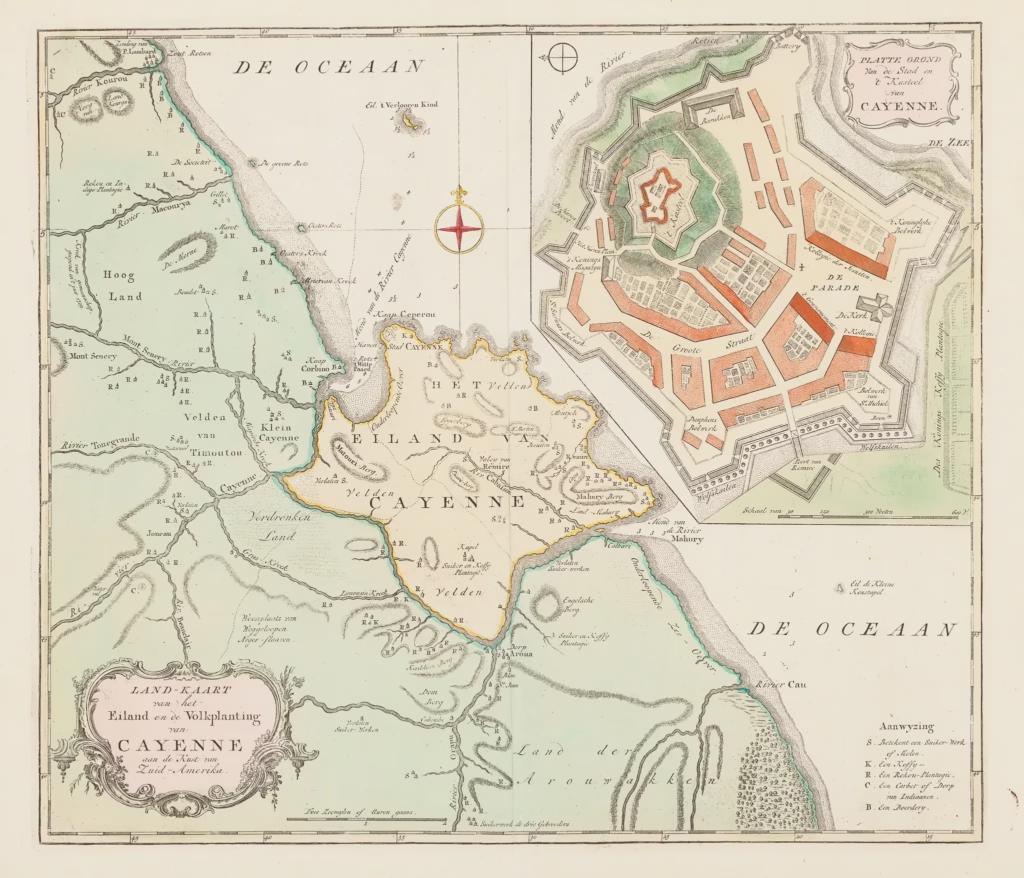
The 19th century marked the era of cartography, as mapmaking became professional, organized, and global. Scientists and surveyors used improved instruments and statistical methods, turning maps into trusted scientific documents with greater precision. Surveying advanced with triangulation, precise tools, and national topographic programs. Printing technology improved, adopting lithography and early color printing to produce clearer, richer maps. New thematic maps used techniques like choropleth, flow lines, and dot density to show data visually. Notably, Charles Minard pioneered multivariate mapping, combining multiple data themes on one map.
Map design reflected industrial and Victorian tastes, balancing detail and readability. Governments supported mapping societies to control territories at home and abroad. Maps became essential for urban planning, empire-building, and scientific research. The 19th century also fostered a global map culture, sharing knowledge internationally. Today, 19th-century maps are prized for their science and artistry. They laid the foundation for modern cartography, data visualization, and geographic information science, and are celebrated by collectors and institutions for their insight into industrial-age geography and culture.