Full Description
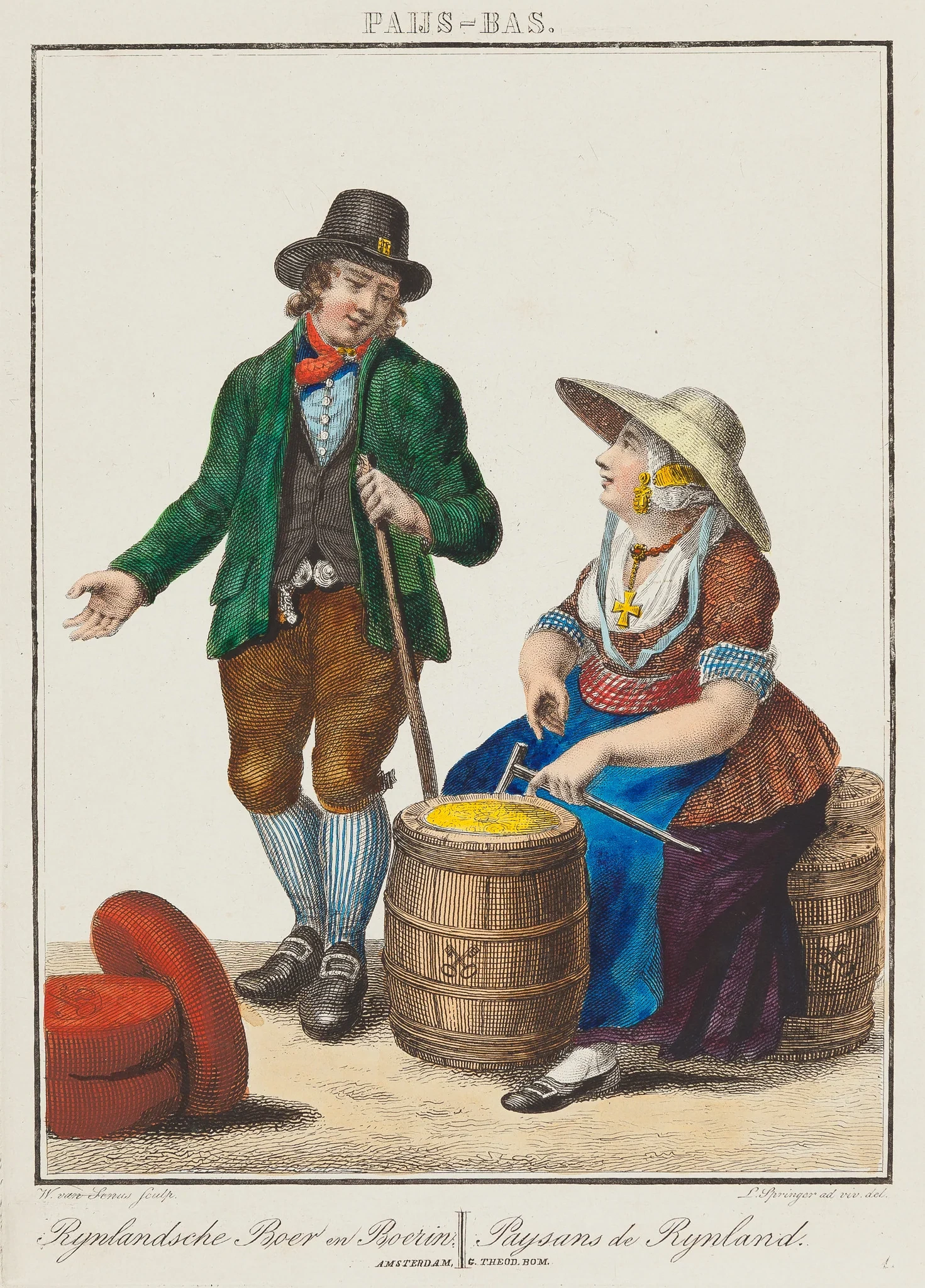
Rijnlandsche Boer en Boerin – Paysans de Rijnland is a charming handcoloured engraving created around 1825. Engraved by Willem van Senus after Leendert Springer and published by Theod. Bom in Amsterdam, it depicts a farmer and his wife from the Rhineland region. The woman sells butter while the man offers cheese, both dressed in colourful, traditional attire.
This Dutch costume engraving measures 19 x 14.3 cm and is in excellent condition. The bright handcolouring enhances the detail of the clothing and everyday rural setting. Collectors admire this Dutch costume engraving for its lively character, fine craftsmanship, and authentic portrayal of 19th‑century Dutch life. VAT: Margingoods, no VAT.
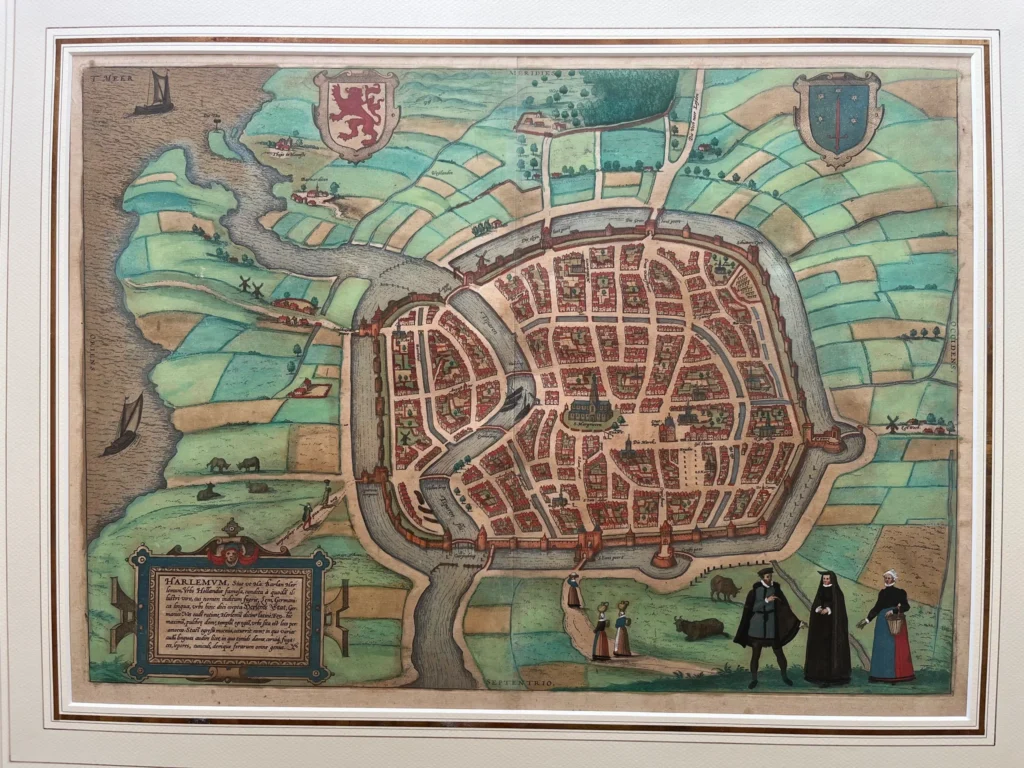
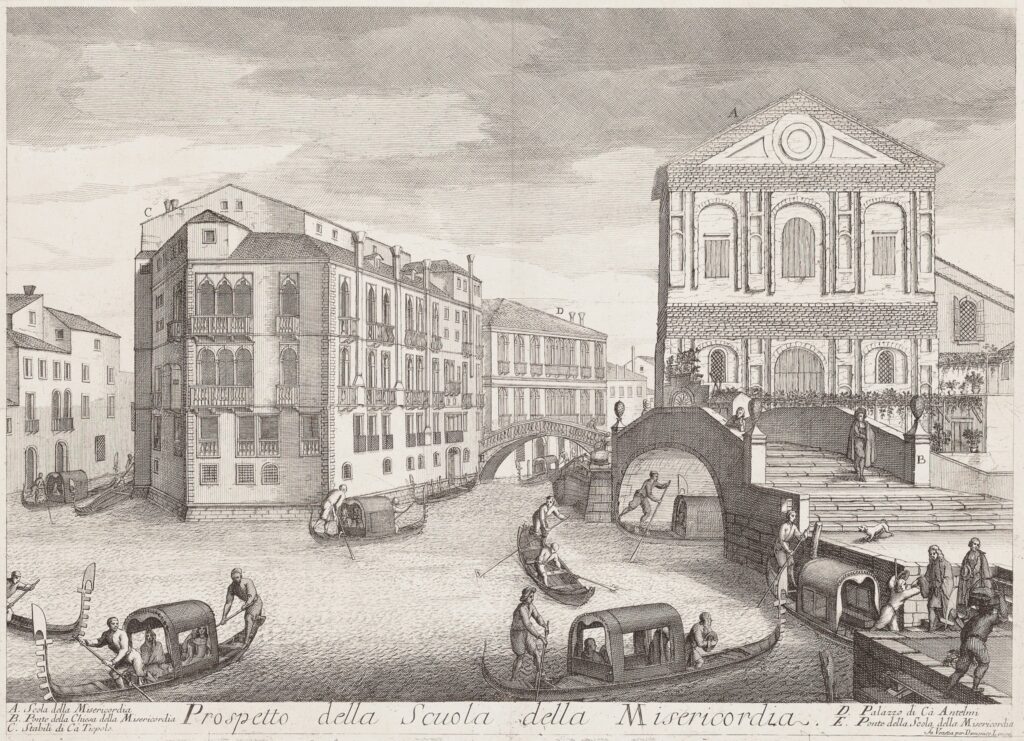
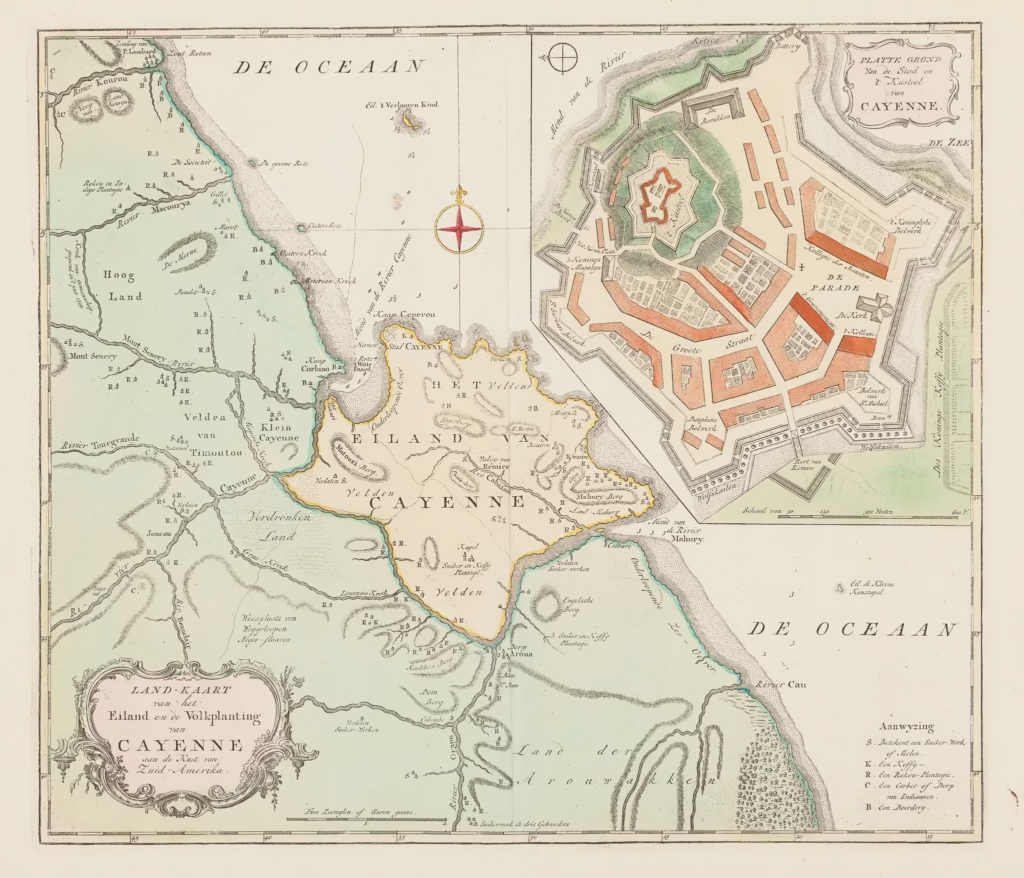
Explore all our City Views and antique map collection at our store located in the historic heart of Haarlem.
About the Artist: Willem van Senus
Unfortunately, there is no information available about this artist yet. We will update this section when possible.
About the Era: 19th Century (1800s)
The 19th century marked the era of cartography, as mapmaking became professional, organized, and global. Scientists and surveyors used improved instruments and statistical methods, turning maps into trusted scientific documents with greater precision. Surveying advanced with triangulation, precise tools, and national topographic programs. Printing technology improved, adopting lithography and early color printing to produce clearer, richer maps. New thematic maps used techniques like choropleth, flow lines, and dot density to show data visually. Notably, Charles Minard pioneered multivariate mapping, combining multiple data themes on one map.
Map design reflected industrial and Victorian tastes, balancing detail and readability. Governments supported mapping societies to control territories at home and abroad. Maps became essential for urban planning, empire-building, and scientific research. The 19th century also fostered a global map culture, sharing knowledge internationally. Today, 19th-century maps are prized for their science and artistry. They laid the foundation for modern cartography, data visualization, and geographic information science, and are celebrated by collectors and institutions for their insight into industrial-age geography and culture.