Full Description
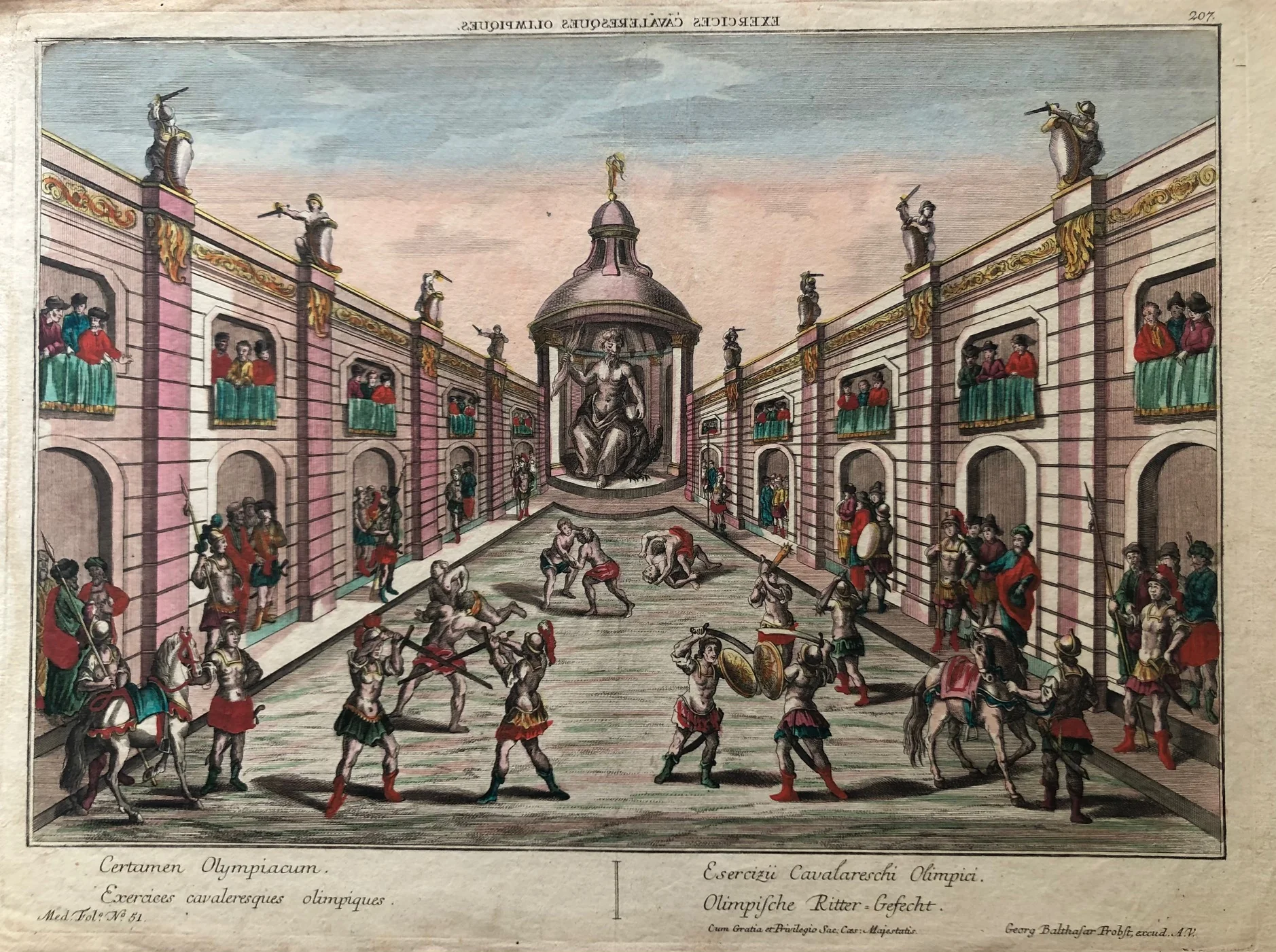
This Olympic Cavalry Engraving titled “Exercices cavaleresques olimpiques” is a striking 18th‑century optical print by Georg Balthasar Probst. Published in Augsburg around 1760, it shows Roman soldiers on horseback engaged in a tournament on a grand square, while noble‑men watch from terraces and balconies. The composition is lively and symmetrical, designed for viewing through a zograscope to enhance depth and perspective.
The engraving measures 31.6 x 41.8 cm and is in very good condition, with light agetoning in the margins. Contemporary hand colouring adds richness to the figures, armor, and architectural details, bringing the classical scene vividly to life.
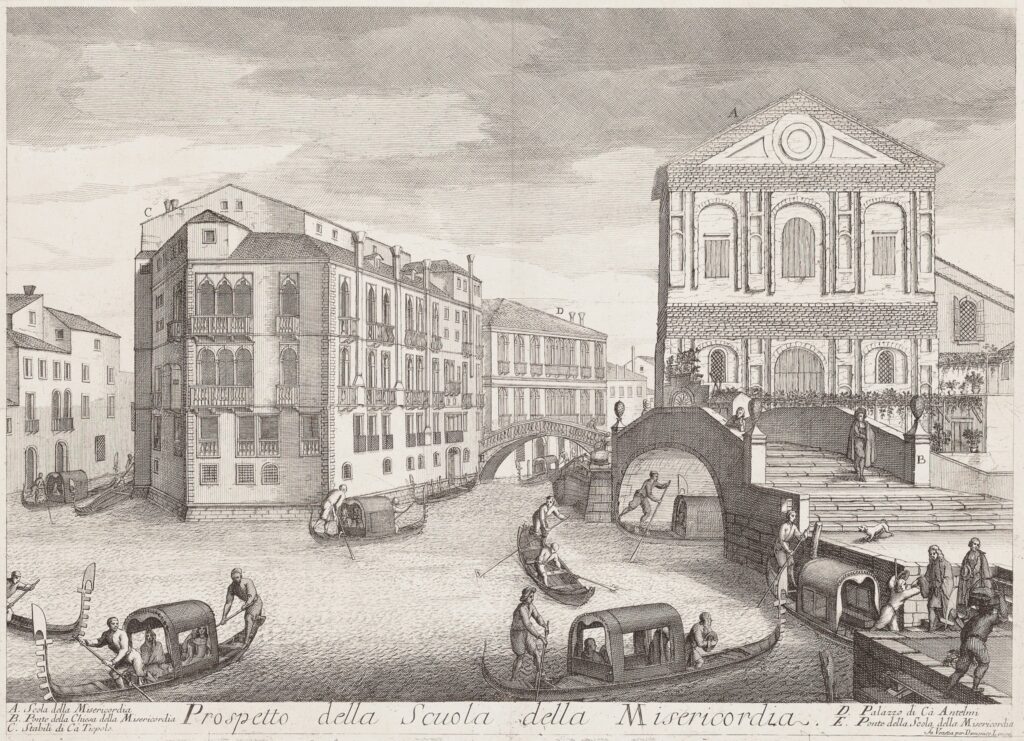
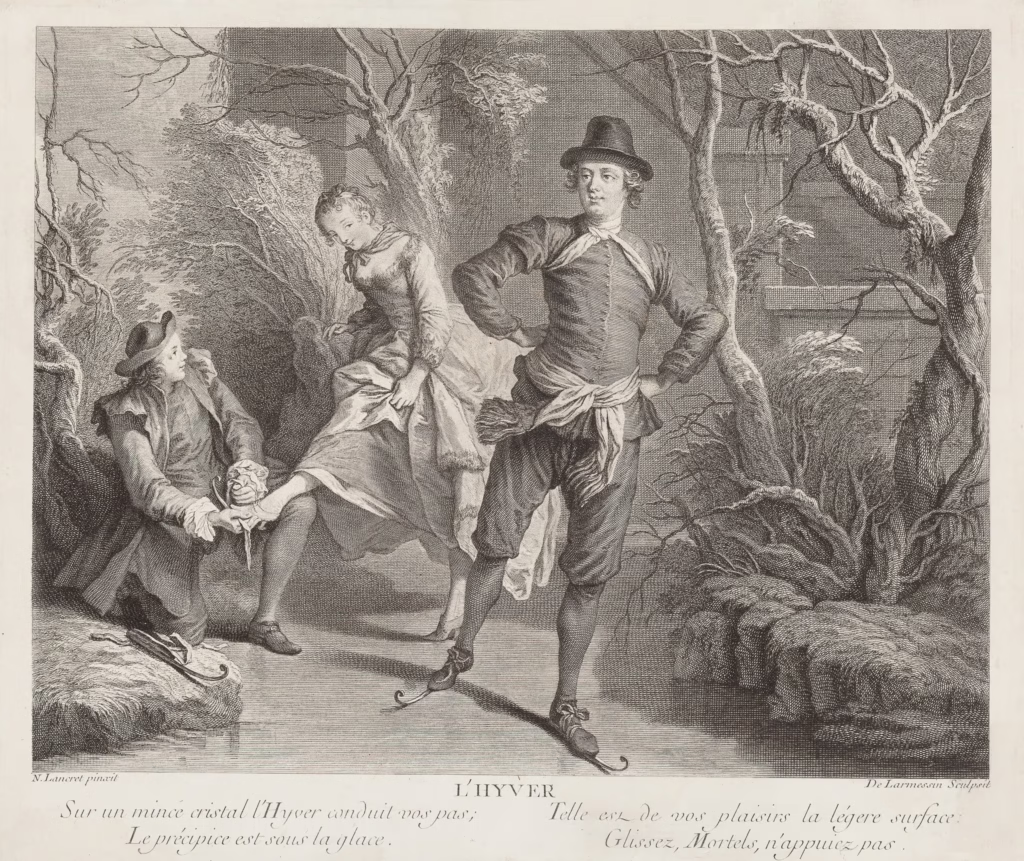
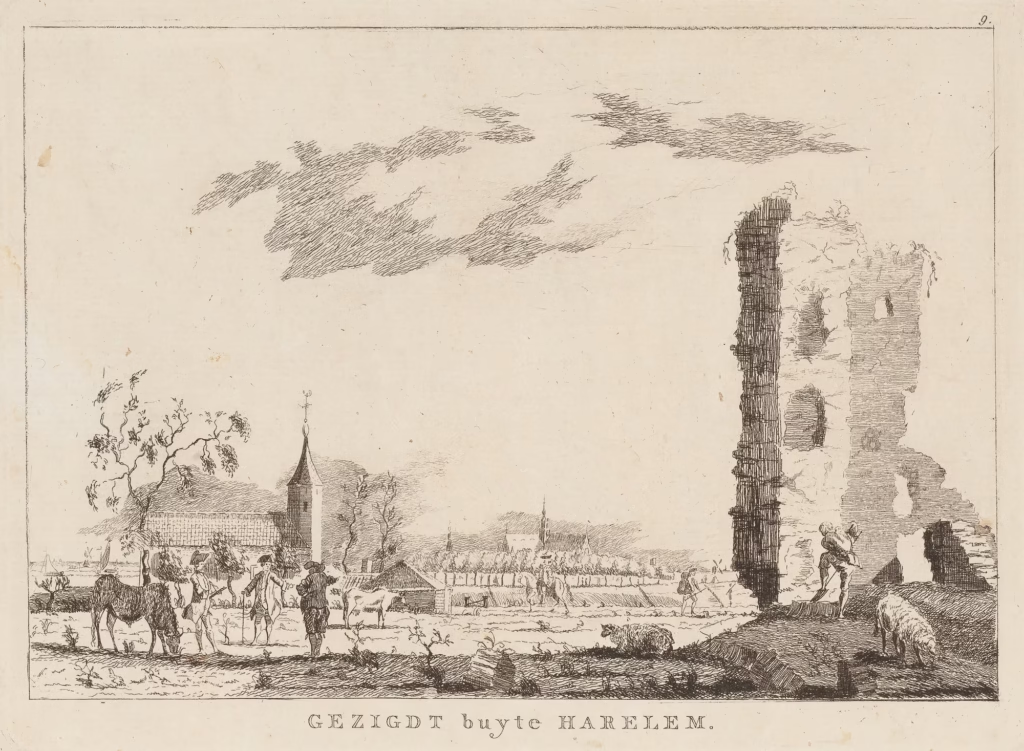
This Olympic Cavalry Engraving is a fine example of the artistic and technical skill typical of Augsburg’s 18th‑century printmakers. It offers both visual drama and historical charm, making it a distinguished piece for collectors of antique prints, optical views, or early depictions of tournaments and classical themes.
About the Artist: Georg Balthasar Probst
Georg Balthasar Probst (1732–1801) was a German engraver and publisher from Augsburg. He created detailed city views and large panoramic prints. Probst made optical engravings designed for special viewing devices. His work shows precise perspective and fine detail. Collectors value his prints for their artistic quality and historical importance. Probst belonged to a family of printers linked to the Jeremias Wolff publishing house. He played a key role in Augsburg’s printmaking tradition.
About the Era: 18th Century (1700s)
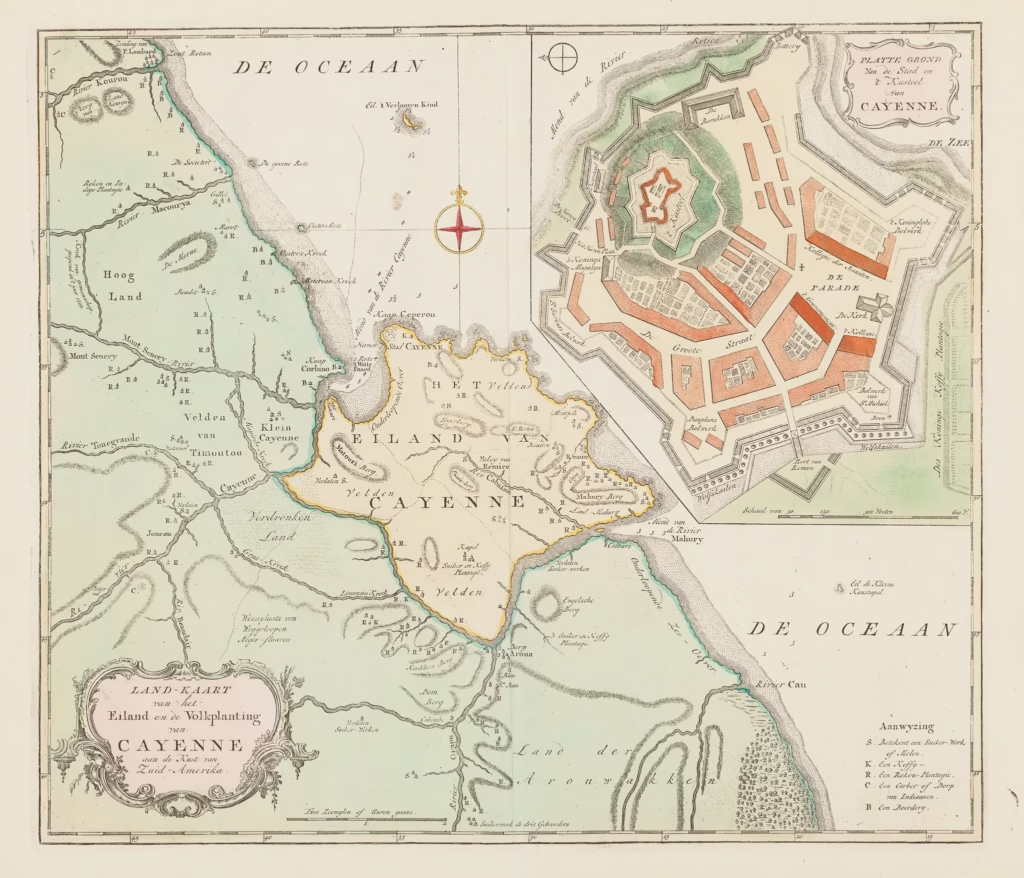
During the 18th century, mapmaking became more scientific and precise. Improved instruments like the telescope and chronometer helped cartographers increase accuracy, shifting maps from decorative art to factual documents. Copperplate engraving stayed as the main printing method, producing fine lines, while hand-coloring added visual impact. French cartographers, such as the Cassini family, led national surveys with geodetic measurements and triangulation, while Dutch mapmakers like Joan Blaeu enhanced printing and atlas quality, ushering in a golden age of atlases.
Maps began including more information and notes to help users, and ornate decorations mostly gave way to scientific clarity, except for cartouches and borders. National and colonial ambitions guided map production to aid navigation and territorial claims. By the late 18th century, large-scale surveys set modern cartography standards. Today, 18th-century maps mix scientific knowledge with artistry, are prized by collectors, and have influenced later cartographic methods. They offer insights into Enlightenment exploration and geography.